
Introduction
MVNOs have long been regarded as mini-telcos and that belief has also shaped the configuration of the MVNOs, around the core focus areas: Network, SIMs / eSIMs / BSS/OSS, etc. As the world moves faster into the platform economy, MVNOs need to recentre their identities according to the dynamics of the new ecosystems. Re-centering the identity in this instance refers to the organization of resources according to the value disciplines, in particular the anchor discipline (whether it is customer intimacy, operational excellence or product innovation and leadership).
The Fabric refers to the heart of the organisation which weaves customers, products / services and operations into a profitable, business. There are 6 foundational components – Operating Model, Talent Management, Finance, Governance, Risk & Compliance, Sustainability, Integrated Platforms. This article addresses Integrated Platforms – the platform being the core capability of the MVNO to go beyond airtime, data and SMS sales. It permits the MVNO to become a full digital service provider.
Digital Platform Capabilities
MVNOs have been operational for decades using a combination of their own systems and those of their host MNO. However, their genesis lies in old-world telecom BSS / OSS, which were suitable for the purposes of a pre-digital era; however, they suffer significant limitations of complexity, cost and risk in terms of addressing the new world of digital services. In addition, as the MVNOs recentre their identities as Edge / Digital Service Providers, the necessity for creating ecosystem partnerships is accelerated. Regardless of the type of market segment, core value proposition (e.g. fintech, healthcare, etc.) a modern MVNO will require to establish a composable platform to cover ecosystems, orchestration across organizational boundaries and addressing infrastructure, network and applications. Figure 1 illustrates this concept, moving from requirement-driven architecture to growth-driven architecture.
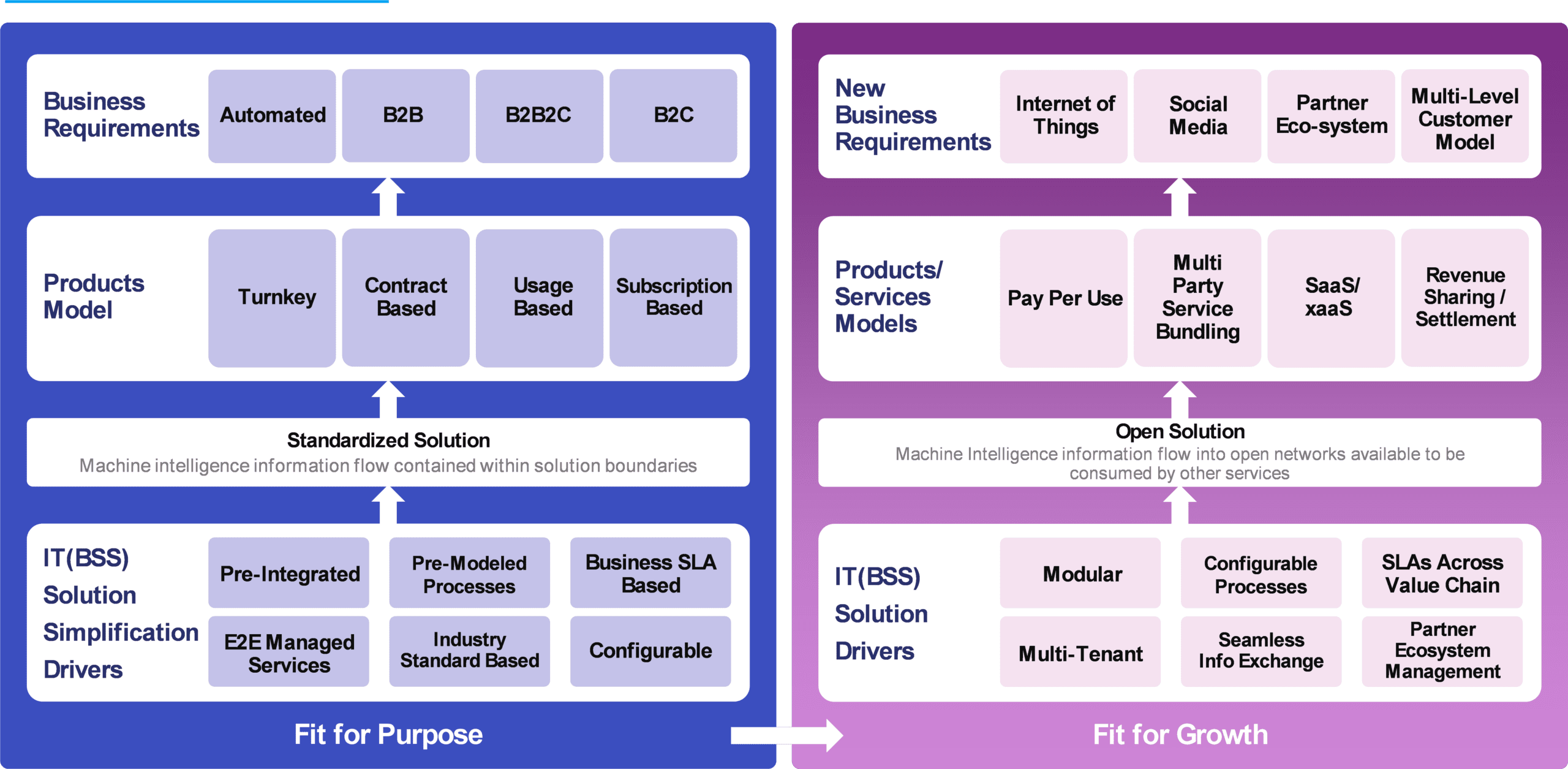
Figure 1 – Transition from Telecom BSS/OSS to Digital Platforms
Platform Business Model
The concept of the Platform Economy creates opportunities for MVNOs to create a digital highway between the demand side (consumers) and the supply side (producers).
In their book Platform Revolution Geoffrey Parker, Marshall Van Alstyne and Sangeet Paul Choudary define a platform as “a business based on enabling value-creating interactions between external producers and consumers. The platform provides an open, participative infrastructure for these interactions and sets governance conditions for them. The platform’s overarching purpose to consummate matches among users and facilitate the exchange of goods, services, or social currency, thereby enabling value creation for all participants.”
With connectivity embedded into various value propositions based on segments, the MVNO has the potential to create and monetize various opportunities in their target segments. A view of the business model is shown in Figure 2.
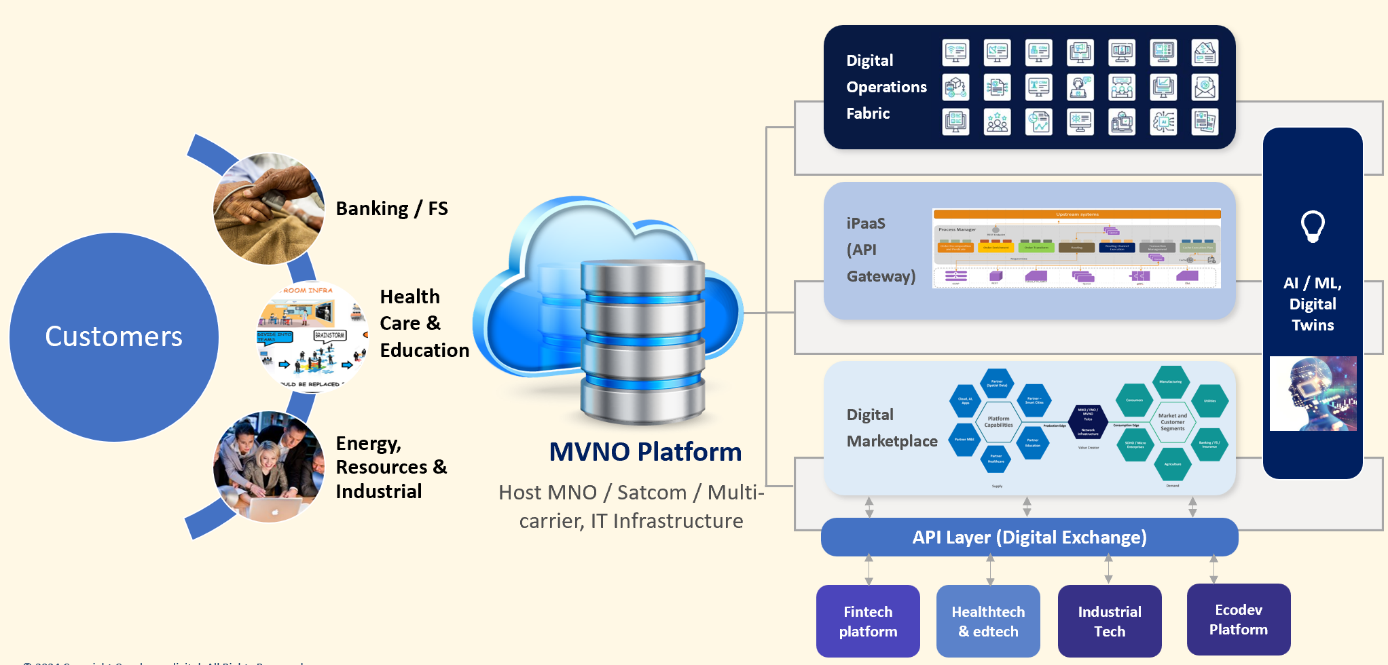
Figure 2 - Platform Economy: Potential MVNO Business Model
Platform Architecture
The MVNO can construct a digital platform consisting of the following components
- Network (combining own and / or host MNO, including multi-carrier)
- IT infrastructure
- Technical Orchestration Layer through APIs
- Marketplace for producers to publish their product catalogues
- Customer, Product, Dealer, Sales, Service, Billing Management
- Apps & Portals for customers and partners.
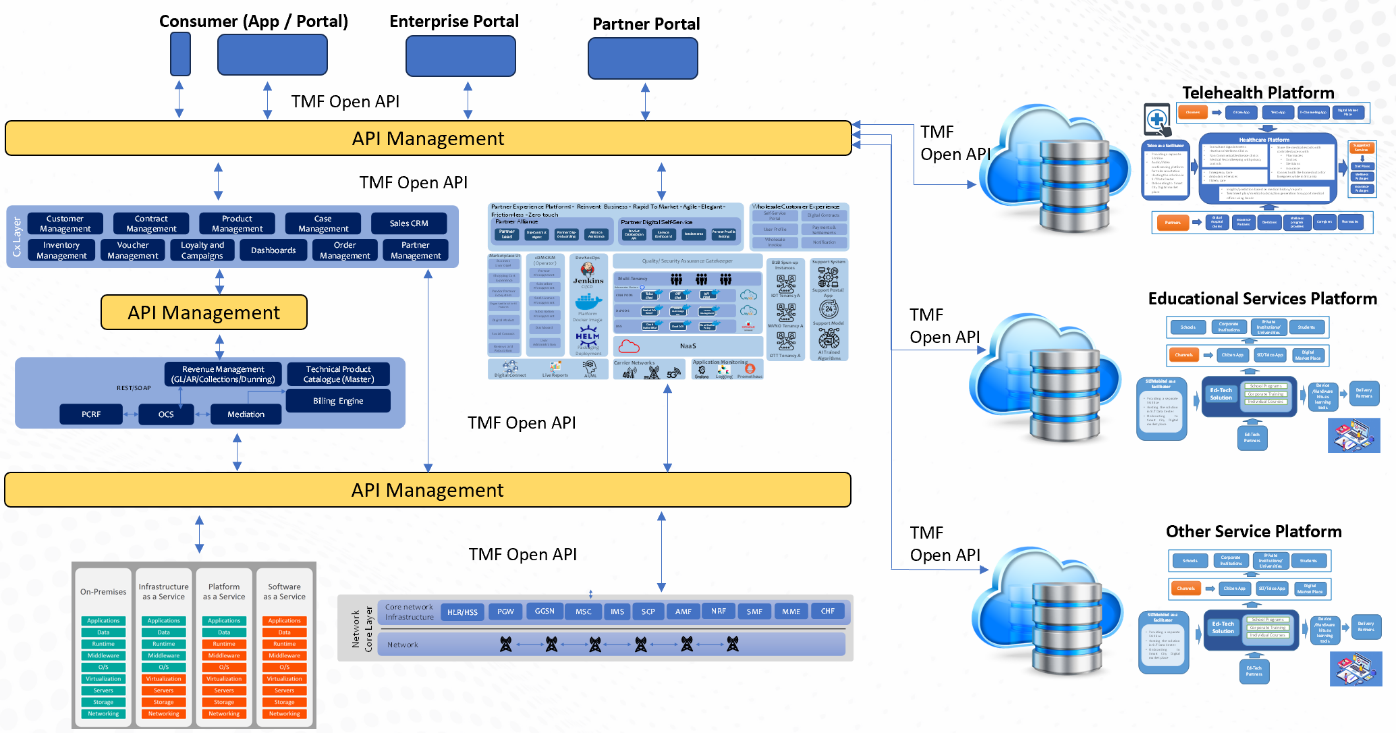
Figure 3 - Example / Potential Platform Architecture (High-level context)
- In the above illustration, the MVNO digital platform consists of the Digital Operations Fabric, the API Gateway and the Digital Marketplace. Customers and partners access this platform through apps or portals to check through the commercial catalogue (besides logging enquiries, service requests, etc.)
- The Marketplace is accessible to producers / other service providers (examples show healthcare and education, but fintech is a rapidly growing domain combined with telcos and MVNOs have a significant opportunity in this area). These providers publish their offerings into the MVNO platform.
- The MVNO can create a multi-operator strategy covering Mobile, Satellite and where regulation allows it, even FTTx to create a single network experience. AI Agents can determine the operator switching based on various factors and adjust the charging and billing accordingly. Even the product with SLA can be offered as a single service offering to enterprise customers.
There are excellent industry blueprints (e.g. TM Forum, GSMA, etc.) for the above which MVNOs can adapt and build out agile digital platforms with embedded connectivity as opposed to merely selling connectivity with a few value-added offerings.
Conclusion
The digital era offers outstanding opportunities for MVNOs to create sustainable revenue streams well beyond voice, data, SMS and OTT content. Besides the consumer, enterprise segments, governments engage in substantial transformation which include cross-border digital trade and service engagements. In developing regions such as Africa, Latin America and Asia, the MVNO has a wide range of opportunities across industrial, agricultural and service sectors including multi-country footprints. The heart of such opportunity lies not only in the strategy but in the platform architecture and ecosystem creation.

Last blogs from Seshan Krishnamurti
View all →-
September 14, 2026
Value Creation in the Platform Economy
MVNOs need to shift from traditional Product Lifecycle Management to Continuous Value Delivery, putting customer needs at the centre of strategy. By continuously analysing value drivers,…
-
August 17, 2026
Why limit ourselves to “M”
MVNOs can go beyond mobile connectivity by becoming Converged Service Providers, combining mobile, fixed, satellite, and digital services behind a unified customer experience. This article explores…
-
June 29, 2026
Value Creation in the Platform Economy with Fintech
Fintech-telecom convergence is reshaping the competitive landscape for MVNOs. As the global fintech market races toward $1.7 trillion by 2035, mobile virtual network operators have a…