
I wrote the first articles in this series back on August 5, August 12, and October 14, 2024. So why has this final instalment—already teased in Part III—taken so long to materialize? Simply put, we needed time to define what the future of MVNOs actually looks like.
And who gets to define that future?
More importantly—how does a YouTuber dare to suggest that a new MVNO model is even possible?
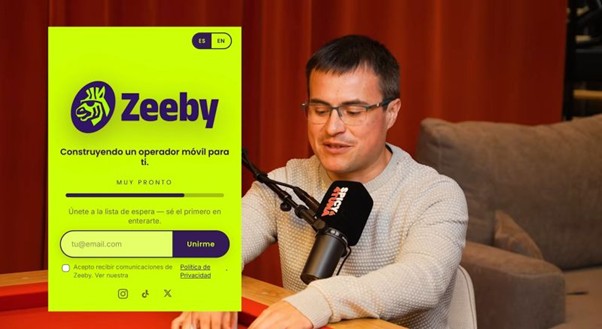
But let’s take a step back. Is what’s being proposed really new?
1️⃣ Radical Transparency: No fine print. Ever.
2️⃣ Creator-Centric Approach: Seamlessly integrating telecom services into digital communities.
3️⃣ 100% Digital: No traditional call centers, no friction, AI-driven and fully customer-centric.
Let’s start with what isn’t working:
Outdated MVNO Models
On November 13, 2025, Vodafone Spain announced it had taken control of Finetwork, an MVNO built around a low-cost competitive strategy.
- https://www.saladeprensa.vodafone.es/c/notas-prensa/np-finetworkvod/
- https://www.expansion.com/empresas/tecnologia/2025/11/06/690b86dfe5fdea63038b45a5.htmlö
Shortly after, we saw a similar development with Silbö. Spain’s regulator (CNMC) authorized Suma Operador de Telecomunicaciones to cease providing wholesale services to Silbo Telecomunicaciones as of May 4, 2026. (CFT/DTSA/023/26)
Or the equivalent case involving Aire Networks
This echoes what I wrote back in October 2024, Spanish MVNOs: Present and Future (Part III): The mobile-only offer, which most MVNOs can aspire to without entering the complexity of combined offers with fibre, is largely a competition to see who offers the most gigabytes at the lowest price.
And this is just the beginning.
Many others will follow, some quietly. Today, there are an astonishing 988 registered MVNOs and service providers in Spain. Not all of them will survive.
So, What’s Actually New?
Let’s start with the positioning:
“The mobile operator for those who stopped answering calls.”
The target? Generation Z, digital natives under 30.
Why continue offering services that this audience barely uses? Voice calls? SMS?
Yes, wholesale agreements still require a certain volume of voice and messaging. But why bundle services into commercial offers that customers simply don’t consume?
Take a look at the fine print across the market (I avoid mentioning the operators, but easy to find):
- Unlimited calls (3,000 minutes).
- If you run out of data, you can continue browsing at reduced speed (64 kbps) or purchase add-ons.
- Services are subject to fair use policies…
This complexity is outdated.
Time to Simplify: True Pay-As-You-Go
The future is simple: you only pay for what you use.
But how do you make that work without unpleasant surprises?
- Real-time cost transparency for users
- Volume-based pricing, just like in any other industry
- Smart alerts to prevent exceeding reasonable spending thresholds
Beyond Pricing: The Power of Community
There’s more, much more.
The real shift lies in community. Not customers. Not subscribers. Communities.
Users who share interests, values, and a common way of engaging with technology and communication.
We’ve seen early versions of this before. Think of República Móvil, “the operator that pays its customers,” which rewarded users for bringing others into the network.
But community goes far beyond referral discounts.
It’s about shared experiences, equal access to services, and a sense of belonging.
What Comes Next
This project is just getting started, and it will spark conversation.
In upcoming articles, we’ll break down the creation of a different kind of MVNO, step by step, all the way to launch.

Guest Blogs are written by carefully selected Experts. If you also want to create a Guest blog then Contact us.