
In this article we'll cover the following types of loyalty and retention mechanics:
- Recognition and rewards
- Rituals and access
- Play and progress
- Data as the currency
- Household and advocacy
- Device and the upgrade cycle
- Tried and true – the basic levers
Introduction
I have spent a lot of time with MVNOs on acquisition, Marketing Mix Modelling and CLV – but loyalty is the piece that most operators leave until it's urgent. It shouldn't be an afterthought that is bolted onto your CVM stack once churn starts biting. The best marketing teams we work with treat loyalty as a set of deliberate, ongoing plays, not a programme you launch once and leave alone.
We've pulled together the loyalty and retention mechanics that operators around the world are running today, grouped into seven themes. Some of these will suit your prepay base, some your postpaid or converged home customers, and some work across your whole portfolio.
Recognition and rewards
This is the type of loyalty programme most people think of first – but the versions that work now go well beyond a points ledger. Here are a handful of examples:
- Tenure surprise – automatic rewards that step up with time on network, rather than something your customer has to redeem. Orange Luxembourg's Thank You programme increases the value of its surprises from 6 months through to 3 years, plus birthday and holiday treats – no app opening, no points chasing.
- Service tiers – tiers that unlock service privileges rather than merchandise. AIS Serenade in Thailand gives its top tiers priority care, lounge access and lifestyle perks – recognition that costs you in service design, not in discounting.
- Points bank – the classic mechanic: points on recharge or bill spend, redeemable for airtime, data or device discounts. Safaricom's Bonga points (Kenya) are transferable between customers, and Telstra Plus and HKT The Club (Hong Kong) run points-plus-tiers versions. A donation lane can carry a brand entirely on its own – felix mobile in Australia built its whole proposition around planting a tree for every customer, they planted their one-millionth tree in 2023, and report on this publicly. One well told mechanic beat a whole points catalogue!
- Behavioural pricing – reward the behaviour, not just the spend. Vitality (used by Discovery and AIA insurance) reprices premiums based on how customers behave. The telco version of this is still under-used – any behaviour that lowers your cost to serve, from self-service to on-time payment, is a candidate for a price benefit rather than a gift!
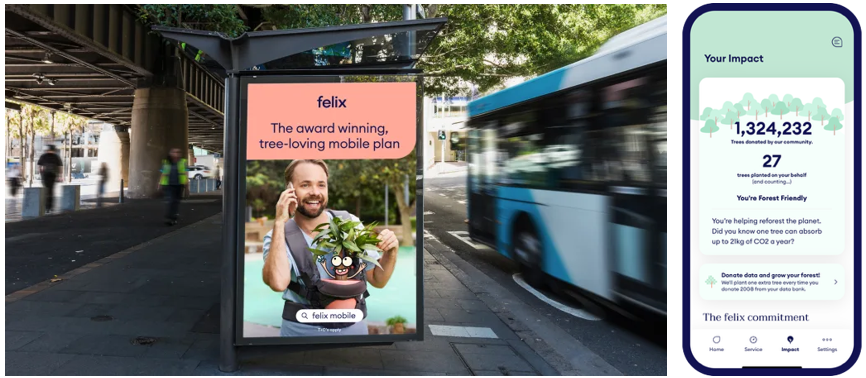
felix: Source: felixmobile.com.au/purpose
Rituals and access
Loyalty doesn't have to be transactional – sometimes the most powerful thing you can build is a habit.
- Weekly ritual – a fixed weekly perks day, with rotating instant rewards and no points to earn. T-Mobile Tuesdays reports record engagement on Tuesdays in the US and is expanding the programme through 2026 – proof that a ritual, done consistently, drives a genuine weekly app-open habit. The partner-funded version of the same idea is Orange Wednesdays in Luxembourg, which ran two-for-one cinema tickets every Wednesday for years, this has become shorthand for the brand itself.
Access – presale windows, ballots and sponsorship access. O2 Priority in the UK gives customers 48-hour presales, and Telstra Plus sells early access to concerts, sport and theatre through its tiers. This is a smart way to turn sponsorship spend you're already committing into something only your customers get, rather than a logo on a banner.
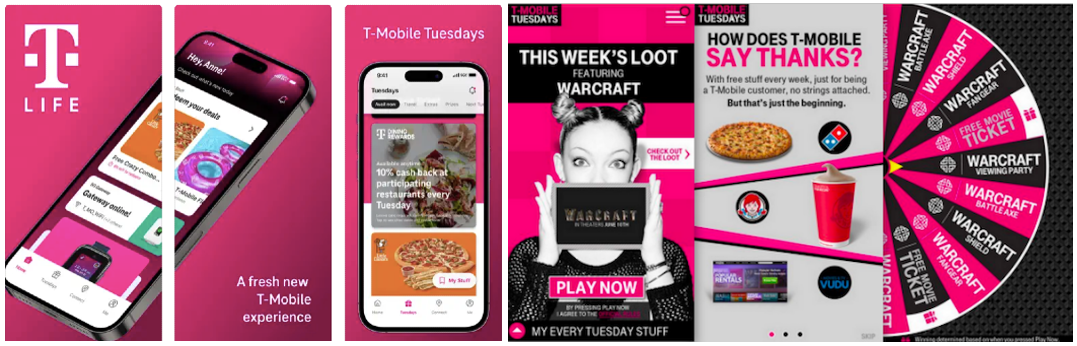
T-Mobile Tuesdays: Source: www.t-mobile.com/offers/t-mobile-tuesdays
Play and progress
Gamified, small and frequent – these mechanics are especially strong for prepay and pay monthly bases where daily engagement matters more than annual spend.
- Play to earn – daily in-app games for small rewards. StarHub Stars in Singapore awards stars daily for playing, and Smartfren in Indonesia runs Scratch & Win alongside daily treasure hunts. Quiz formats do the same job through content rather than chance – Banglalink runs text, audio and video quizzes on trending topics in Bangladesh.
- Missions – structured onboarding missions with visible progress and a reward ladder for completing setup steps, straight out of the gaming playbook. Smartfren's daily missions turn activation into something a customer wants to finish, not a checklist they're nagged about.

StarHub Rewards: the tiered membership and daily-play screen inside the My StarHub app. Source: www.starhub.com/membership
Data as currency
In prepay and pay monthly markets, data itself can be the reward – provided you make it visible.
- Data as an asset – market your data bank as a balance customers can watch grow, not an invisible rollover feature. Everyday Mobile in Australia brands its rollover as a named Data Bank.
- Data gifting – let customers gift data to each other in one tap. Everyday Mobile lets customers give away data from their named Data Bank, and 2degrees runs Shared Data and Data Clock gifting in New Zealand. This mechanic travels wherever rollover data is already a visible balance – and it's an easy extension into prepay, where most gifting ideas stop short.
- Power signature – extend a signature data mechanic into an adjacent category. 2degrees has taken its Data Clock idea – a free hour of data at a set time each day – and extended the same logic into a Free Power Hour for bundled homes. Worth watching if you run converged fixed and mobile.
- Event passes – gift unlimited data passes around major cultural or sporting moments so the network becomes part of the occasion. There's no single named precedent doing this well yet in telco loyalty specifically – which means there's real room for an early mover to make it their own.
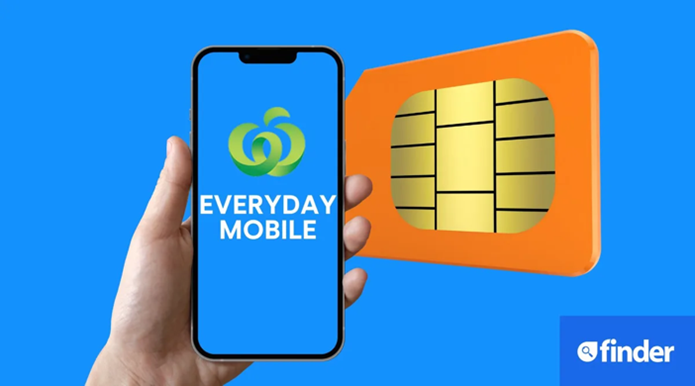
Everyday Mobile: the Data Bank balance and data-gifting flow in the app. Source: mobile.everyday.com.au/data-gifting
Household and advocacy
Reward the relationships around your customer, not just the individual.
- Referrals – pay only once the joiner has actually stuck, not the moment they sign up. Google Fi pays nothing until the referred customer has kept service active for 30 consecutive days and paid their first bill in full; Mint Mobile posts advocate credit no sooner than 15 days after activation, capped at four referrals a year. Both hold the reward until it's earned rather than just claimed – worth copying regardless of which referral platform you use.
- Household switch – reward the group that arrives together, so the benefit lands when the last member joins rather than on each individual port-in. This is really a more generous descendant of the old calling circle, which rewarded contact inside a named group and pulled whole friend and family networks onto one network because the benefit died at the network edge. The mechanic is decades old – only the packaging has changed.
Device and the upgrade cycle
Side note: Why does the upgrade loop matter more now?
Car leasing has known this trick for decades: guarantee the future value of the asset at the point of purchase, and the next upgrade becomes a planned event rather than a churn moment. Apple relaunched its own upgrade programme in July 2026– return, keep, or upgrade at term end – currently US-only and carrier-enrolled, with damage assessed at return unless AppleCare+ is held.
The lesson for MVNOs is that buyback and refurbishment partners – 2degrees works with Moorup – are what make the guarantee affordable, because they underwrite the return value and turn the upgrade into a scheduled event instead of leaving it to chance.
- Green – trade-in and recycling rewards. Orange Luxembourg builds recycling bonuses into its Thank You programme – a genuinely low-cost way to add a sustainability story to your device strategy without inventing a new mechanic from scratch.
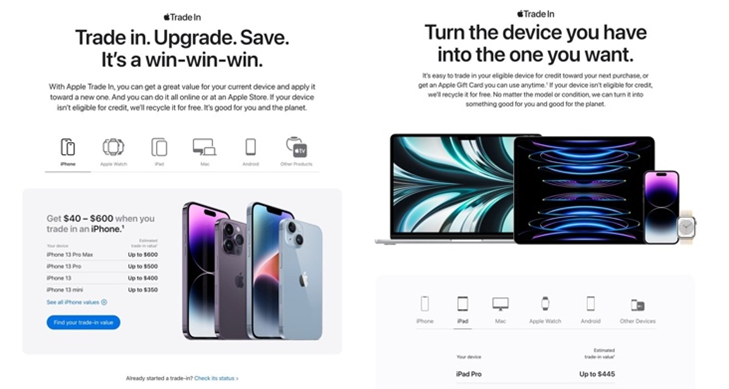
Apple Upgrade: Source: www.newsweek.com/apple-lets-customers-lease-products-klarna-payments-12258414
Tried and True: The Basic Levers
Of course, this doesn’t mean you should overlook the basics while chasing a more exciting reward and loyalty programme!
- The basics – discount, bonus data, bonus credit. Most telco operators run these three levers – the discipline isn't inventing a fourth, it's in knowing when to use these, how small they can be, and what has to fail before you reach for them.
- Concession – price for a life stage, not a spend level. Extending a concession like 2degrees' SuperGold discount to students works because verification is handled by someone else's card – a student ID – rather than your own systems. It's cheap to run and it recognises something real about the customer, rather than manufacturing a fake reason for a discount.
Conclusion
None of these mechanics works in isolation, and not all of them will suit your portfolio – a points bank makes sense for a broad consumer base, while a weekly ritual or a play-to-earn mechanic will do more for a younger, prepay-heavy base.
The common thread is that the strongest loyalty plays we've listed here recognise something real about the customer – their tenure, their behaviour, their relationships – rather than just discounting to keep them quiet. Get this right and you'll see it show up exactly where we always tell you to look: in your CLV metrics!
You're welcome to get in touch with me for more information or to chat about which of these would work best for your base – we would be delighted to help you!

Last blogs from Tanya Hyams-Young
View all →-
June 1, 2026
The Velocity Dividend
In this second article of the “Data, AI, Velocity and Value” series, Tanya Hyams-Young explores how MVNOs and telecom brands can improve profitability by increasing decision-making…
-
May 11, 2026
Decision-making Velocity using AI
Decision-making velocity is becoming the defining competitive advantage for MVNOs and telecom brands in the AI era. In this article, Tanya Hyams-Young explores how slow decision…
-
June 16, 2025
The Reality Check & Exit considerations